
Gluten and the Skin
The Real Reason Gluten Is So Hard on Your Body
Gluten has become an issue and topic of discussion these days, especially in health and wellness. I remember when I went gluten free, my mom couldn’t understand it. She used to tell my sisters and I, “You girls grew up eating bread, cereal, and pasta, and you were fine.” And she was right, we were fine then. But today, many of us aren’t. In this blog, we are going to talk about gluten, what has changed, why does it negatively affect us, and how does it show up in the skin? Today’s blog is packed full of information; let’s dig in.
What is Gluten?
Gluten is a complex mix of proteins found in grains such as wheat, barley, and rye. The most common proteins are gliadin, which triggers immune responses and is a major component of gluten protein, and glutenin, which is a fibrous protein and gives dough its elasticity. In the modern American diet, gluten is a major staple. Gluten is found in breads, pastas, cereals, baked goods, sauces, and even processed foods you wouldn’t expect, making overexposure incredibly common.
Why is Gluten So Bad for the Gut?
Gluten sensitivity is on the rise and there are several factors that contribute to this: how gluten proteins are digested, and how wheat is processed. This impacts how our body digests gluten and that’s where the problems begin. Our body struggles to fully break down gluten proteins so it creates inflammation and holes in the intestinal wall. According to Chrondex, Inc, “Among these proteins, gliadin and glutenin contain highly antigenic repeated amino acid sequences which potentially activate both the innate and adaptive immune responses. These activated immune responses lead to immune-mediated injury to the intestines, such as intestinal permeability and inflammation due to infiltration of the lamina propria.”
What Are the First Signs of Being Intolerant?
Gluten intolerance or sensitivity shows up in the gut, body, and skin in symptoms that we ignore. Symptoms, such as gas, bloating, constipation or diarrhea, acne, rosacea, eczema, joint pain, fatigue, and heart palpitations; to name a few. When your gut can’t tolerate a food or has to work hard to digest it, symptoms appear. If left untreated, gluten intolerance or sensitivity can lead to Celiac disease or non-celiac gluten sensitivity, which is still inflammation from eating gluten, except your body doesn’t have an autoimmune response.
Why Does Gluten Trigger Inflammation?
Before we break these symptoms down, let’s talk about why inflammation is the natural response to gluten. Our body’s digestive system starts from the second you put food in your mouth, saliva breaks food down to pass through the esophagus into your stomach. Your stomach activates enzymes and acids that digest your food. The food left in your stomach is digested by the pancreatic enzymes before moving to the small intestine. Once in the intestines, food should be completely digested so the intestines can disperse the nutrients throughout the bloodstream to the body. Whatever is left gets moved to waste. When your body can’t digest food, it creates inflammation, which is basically the alert system that creates swelling to alert immune cells to fight. This creates antibodies which can activate an autoimmune response or cause gut issues, like gas, bloating, cramping, constipation, or diarrhea.
Gluten Intolerance Signs
🔹Fatigue: Fatigue shows up shortly after you eat. Your body is working overtime to digest so it becomes sluggish. It is unknown why gluten consumption causes fatigue, however, scientists speculate that it can be from the immune response, malabsorption, or anemia (also related to malabsorption). PubMed says, “It can be conceptually understood as a major component of the “sickness behavior response.” This response is a complex, evolutionarily conserved survival mechanism observed in animals and humans during states of infection and injury.”
🔹Heart Palpitations: Heart palpitations caused by an autoimmune response from the gluten proteins. Your body can’t properly digest gluten. PubMed explains, “Gliadin contains peptide sequences that are highly resistant to gastric, pancreatic, and intestinal proteolytic digestion in the gastrointestinal tract. The average daily gluten intake in a Western diet is thought to be 5-20 g/day and has been implicated in several disorders.”
🔹Joint Pain: Joint pain is blamed on aging, but inflammation from gluten causes pain. The body’s immune response from gluten damages the intestinal lining. This causes inflammation that can spread to other systems of the body. In a study done by PubMed on Rheumatoid arthritis patients, “Gluten seems to be a glycoprotein with a clinically relevant inflammatory effect. Our cases confirm that a gluten-free diet may improve symptoms of rheumatoid arthritis, even in patients resistant to conventional drug therapies.”
🔹Mental Health: Mental health has become a concern for people of all ages, yet we don’t connect it to the gut. There is a connection between the gut and brain, called the gut-brain-axis. Our gut is our second brain and a stressed gut sends signals to the brain to release stress hormones because your body is in a state of stress, leading to brain fog, mood disorders, anxiety, depression, and even autism. PubMed says, “The complexity of these interactions is enclosed in the denomination of “gut-brain axis” (GBA). Its role is to monitor and integrate gut functions as well as to link emotional and cognitive centers of the brain with peripheral intestinal functions and mechanisms such as immune activation, intestinal permeability, enteric reflex, and entero-endocrine signaling.”
🔹Gut: Your gut is where gluten sensitivity or intolerance stems from. Gluten proteins are not broken down in the stomach and pancreas. The intestines cannot digest gluten proteins so inflammation happens and tears holes in the intestinal lining. This is why you may feel gassy, bloated, or suffer from constipation, diarrhea, or abdominal cramping. PubMed says, “Gluten is only partially digested by intestinal enzymes and can generate peptides that can alter intestinal permeability, facilitating bacterial translocation, thus affecting the immune system.”
What Part of the Body is Most Affected?
Your gut ties to everything. All disease, symptoms, and illness start in the gut. I know this is a bold statement, but when one system of the body is not working properly, all the other systems will eventually follow.
Can Gluten Affect Your Skin?
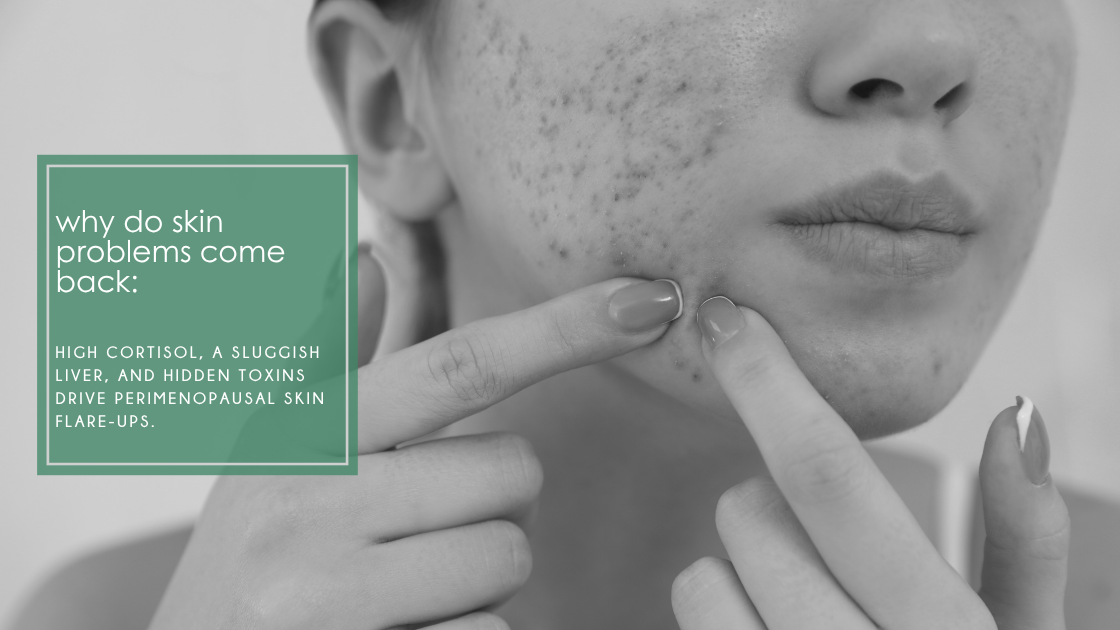
Our skin is the first to show there’s a problem inside the body. Conditions such as acne, rosacea, rashes, eczema, dermatitis, and psoriasis are inflammatory responses from the body. Our gut and skin are connected through the gut-skin-axis, which means our gut and skin share microbiomes and barriers.
What Are the Skin Symptoms of Gluten Intolerance?
Any skin inflammation, is tied to gluten intolerance. Often we address skin issues at the surface level and get topical or oral medications prescribed from a dermatologist. Rarely does this method work, so we live with this and try something else. When you’ve exhausted all options and your skin continues to flare up, this is a sign that it’s time to address the internal factors and start to eliminate foods that are potentially damaging to not only the gut but your skin too.
Does A Gluten-Free Diet Improve Skin Conditions Like Eczema?
Yes. When there is inflammation stemming from the gut, not only does the skin become reactive, but your skin barrier becomes damaged, leading to issues such as eczema, which tends to be more pronounced in the winter months. When the gut is weak, the skin barrier weakens which allows for moisture to escape no matter how much moisturizer you apply. Bacteria and germs are now able to enter through the skin via the damaged skin barrier; this leads to topical skin conditions.
Gluten-Free Skincare and Makeup
Gluten sensitivity may extend beyond our diet and into our personal care products. Gluten is added to skincare products and makeup as a thickener, emollient, moisturizer, or exfoliator. While manufacturers claim that gluten can’t penetrate the skin barrier, a compromised skin barrier due to internal inflammation can allow these ingredients to penetrate, causing a skin reaction. The Gluten Intolerance Group posted a list of common ingredients in skincare products:
Wheat or Gluten
- AMP-isostearoyl hydrolzyed wheat protein
- Enzyme-modified gluten
- Hydrolyzed wheat protein (HWP)
- Hydrolyzed wheat gluten
- Hydrolyzed wheat starch
- Triticum* lipids
- Triticum* vulgare*
- Wheat amino acids
- Wheat bran
- Wheat bran extract
- Wheat germ extract
- Wheat germ glyceride
- Wheat germ oil or Tocopherol
- Wheat hydrolysate
- Wheat peptides
- Wheat starch
Barley or Malt
- Barley extract
- Hordeum vulgare* extract
- Malt extract
Rye
- Secale cereal*
- Oats (due to possible cross contact but could also be an allergen)
- Avena sativa*
- Avena sativa* extract
- Sodium lauroyl oat amino acid
How Do I Clear My Gut of Gluten?
The good news is your gut microbiome can improve within 7 days of eliminating inflammatory foods. I like to start with a gut test because I want to know exactly what is going on with your gut. Is it an imbalance of bacteria, parasites, yeast, leaky gut, viruses, or an excess of hormones? Once we do a gut test, we can start to heal your gut by eliminating gluten and other inflammatory foods, plus adding in supplements to help your gut heal. Everyone is different. And doing a gut test will give us the exact answers your body needs to begin the healing process.
If you aren’t ready for gut testing yet, the first thing is to eliminate gluten from your diet. This includes barley, oats, malt, and rye. If your diet consists of gluten, this may be challenging, but not impossible. Instead of restriction, you can instead swap out foods, such as sweet potatoes, brown rice, and vegetables (which act as a carb). The Paleo and Keto diets are great places to start when changing your diet. These diets are the easiest to follow, plus you can find great recipes online. The key is to replace your favorite foods with something else so you don’t feel deprived. This will help you stick to your new diet plan.
If you are looking for guidance and accountability, we offer 3 or 6 month programs. Our programs include functional testing, nutrition, diet, and supplement plans. Plus, weekly check-ins, ongoing support, and monthly meetings to guide you through this journey. If this is something you’re interested in, please visit our website to learn more or book a functional consultation.
Ready to Get Started?
If you’re ready to address gluten-driven inflammation at the root so can heal and feel better, visit our website today. Got questions? Drop them in the comments below.