Hyaluronic Acid: How It Works & When to Use
Hyaluronic Acid: The Mistake Most People Make when Using
What Is Hyaluronic Acid?
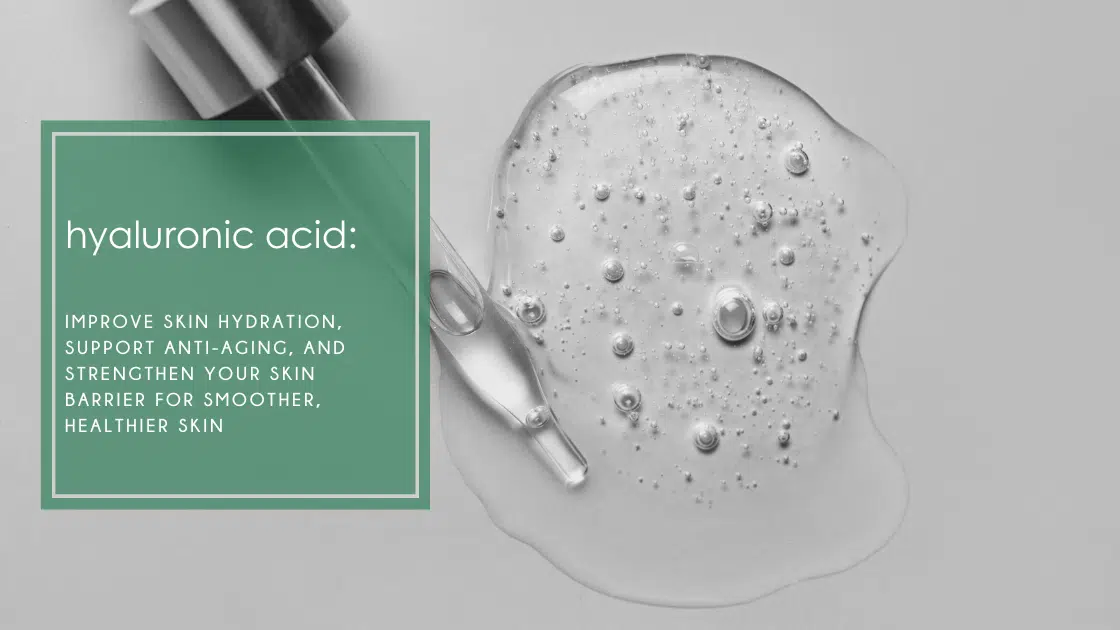
Hyaluronic acid is water-soluble and naturally found in the body. It functions as a component of skin hydration, wound healing, and joint lubrication. Although the body produces this ingredient on its own, it can easily get depleted due to aging, environmental stress, or living in a dry climate. According to PubMed, “The level of HA in the human body is not constant. With the advancement of aging and the influence of environmental factors, especially excessive exposure to sunlight, the amount of HA significantly decreases, resulting in a loss of skin hydration, changes in its topography, the formation of wrinkles, sagging, limited joint mobility, and impaired healing of burns, scars, and wounds. Therefore, external delivery is increasingly being used to supplement HA’s deficiencies.”
Natural production decreases with age. Incorporating a serum into your skincare routine is one of the most effective ways to restore moisture and support a healthy skin barrier.
What Does Hyaluronic Acid Do to Your Skin?
Hyaluronic acid acts as a humectant, meaning it draws water into the cells, like a magnet. Your skin cells can hold 1,000 times their weight in water when hyaluronic acid is present. Here’s a good analogy to help you understand how this works: dry skin looks like a raisin; add hyaluronic acid to the skin, and it plumps up like a grape. This is a sign that your skin barrier stays healthy and intact.
How Does It Affect Aging?
Aging leads to decreased hyaluronic acid production. Factors such as sun exposure, pollution, harsh skincare, and dry climates can further deplete. This process results in excessive dryness, deeper wrinkles, and loss of elasticity and firmness. Consistent use restores plumpness, reducing visible signs of aging and the skin’s ability to heal.
Is There a Downside to Using?
While it is generally well-tolerated and beneficial for most skin types, there can be a slight downside: using it in a very dry environment can pull moisture out of the deeper layers of your skin, causing dryness, not hydration. We talked about the raisin & grape, which means it’s sucking water from the grape and leaving your skin cells looking like a raisin. If the air lacks humidity, hyaluronic acid looks for moisture elsewhere, often from your skin. If you live in a dry climate, apply an occlusive moisturizer on top of your serum to lock in moisture.
Will Hyaluronic Acid Help With Acne?
Yes, acne-prone and oily skin types benefit, even though many people assume hydration leads to more oil. Oil and water are different components of the skin. Removing oil with harsh products strips away water, compromising your skin barrier. A compromised skin barrier can trap the oil beneath the skin, leading to white bumps or acne.
How to Use in Skincare Products
Hyaluronic acid is found in serums, moisturizers, and masks. The key is to look for the ingredient listed as sodium hyaluronate or hydrolyzed hyaluronic acid on the label. When choosing skincare products, consider the molecular weight. High molecular weight works on the skin’s surface, delivering instant plumping and hydration. This form has short-term results, and the skin can become dry over time. Low molecular weight penetrates deeper for long-term moisture benefits. The best serums combine a blend of multiple molecular weights for immediate and sustained hydration.
How to Use Hyaluronic Acid
Hyaluronic acid is most effective in a serum. If you have dry skin, we recommend using both morning and night. We love to pair with other ingredients for the best results. Since it is water-based, apply first, then layer your other serums on top. This increases the likelihood that it will supply your skin cells with extra water. Pairing with the right moisturizer significantly boosts hydration and reduces water loss.
Which is Better, Vitamin C or Hyaluronic Acid?
These are two completely different ingredients. Vitamin C is an antioxidant that brightens, fights free radical damage, and reduces inflammation. Hyaluronic acid restores skin hydration and maintains a healthy skin barrier. For maximum results, pair both together. We love layering this combination in the morning. Apply your hyaluronic acid serum first, then Vitamin C on top.
Can you use it with Retinol?
Absolutely! We love pairing with retinol, especially for individuals who experience dryness or irritation. Pairing these two ingredients maximizes anti-aging benefits and reduces retinol’s side effects.
Ready to Get Started?
If you’re interested in learning more about skincare products that deliver real results, visit our website to shop our favorite serum. If you need personalized guidance, please book your appointment online. We look forward to supporting you on your skin journey.
Got questions? Drop them in the comments below.