Inflammaging, Gut Health, and Hormones: The Root Cause
Inflammaging in Women Over 40: Why You Feel Exhausted and Inflamed
Inflammaging is a newer term that is being talked about, yet most women know very little about it. If you are a woman over 40 and not feeling like yourself even though your labs are showing normal, you’re constantly tired, sore, or just feel out of sync with life. The addition of inflammation in our bodies and environment are causing women to age faster. Today, we are going to cover what inflammaging is and how to reverse its negative effects.
What is Inflammaging?
Inflammaging is aging caused by chronic inflammation. A study done by PubMed says, “Aging damage can occur at the molecular (DNA, proteins, and lipids), cellular, or organ level (or a combination of these).” Before you panic, let’s break down inflammation.
There are two types of inflammation: acute and chronic.
Acute inflammation: is the body’s short term response to injury or infection. This type of inflammation is temporary, for example if you sprain your ankle, it swells at first, but goes back to normal after your ankle heals.
Chronic inflammation: long-term immune response where the body begins attacking its own tissues and organs. Autoimmune diseases are caused by chronic stress. We don’t put aging in this category but chronic inflammation speeds up the aging process .
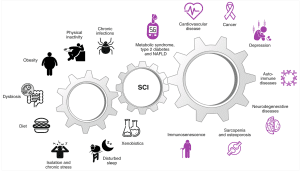
This picture explains how inflammaging begins. By the time you develop symptoms from systemic chronic inflammation (SCI), your body has been battling inflammation for a while.
Why Do I Feel Exhausted, Sore, and Foggy Even Though My Blood Work Came Back “Normal”?
Standard blood work isn’t designed to catch certain inflammatory markers or your doctor doesn’t run the labs that indicate inflammation. This is why many women complain that their doctor said their labs are normal, yet they feel anything but. Doctors aren’t trained to look at the full picture, they are trained in specific areas of medicine and they only look at a few key markers. Just because your labs are showing “normal” doesn’t mean you’re healthy. This is why we always dig deeper.
Inflammaging shows up as random symptoms that your doctor can’t figure out. Other common symptoms include brain fog, persistent joint stiffness, hormonal imbalances, perimenopause fatigue, chronic fatigue, and mid-day fatigue.
What is the Connection Between Inflammaging, Perimenopause, and my Hormones?
Often these symptoms occur in your 40s, because estrogen and progesterone begin to decline. Estrogen is a natural anti-inflammatory hormone in your body. When this protective shield dips, systemic inflammation increases. You begin to notice symptoms that most women blame on perimenopause.
Let’s pause here because perimenopause is a real condition, however, I also feel like it has become a buzzword. There are plenty of influencers marketing to women 40+ in an attempt to make money or coach you to better health. While it is great that there are people able to help, please do your research. Find someone like a functional medicine doctor or a health coach who has been working with women in perimenopause and menopause for several years. You don’t want to make your symptoms worse by doing the next best supplement, diet fad, exercise program, or coaching program in an attempt to feed someone’s bottom line who doesn’t have your best interest in mind.
Cortisol increases during your mid-40s and why women can’t handle stress like we used to. By mid-life women have careers, families, aging parents, young, college-aged, or adult children and even if you don’t necessarily feel stressed everyday, these factors increase cortisol. When you hit menopause, estrogen production switches from your ovaries to the adrenal glands. When cortisol increases, your adrenal glands favor cortisol over estrogen and the inflammation increases. This is why women in menopause are at higher risk for cardiovascular disease, stroke, Alzheimer’s, diabetes, and cancer. Dr. Tom O’Bryan explains, “Identify long-term, low-grade systemic chronic inflammation (SCI) as a common fuel source for the progression of cardiovascular disease, cancer, diabetes, chronic kidney disease, NAFLD [non-alcoholic fatty liver disease], autoimmune and neurodegenerative disorders.”
How Does A Leaky Gut Drive Inflammaging and Trigger Midlife Food Sensitivities?
Our gut lining is only a single cell layer thick and held together by proteins, called tight junctions. Inflammation from poor diets, chronic stress, and hormonal shifts especially during perimenopause and menopause cause these tight junctions to loosen. When this happens, intestinal permeability otherwise known as leaky gut, occurs. This can lead to gut problems and weight gain after 40.
Leaky gut means the gut barrier has been broken down so undigested food particles, toxins and bacteria enter into the bloodstream, also known as an endotoxin. This stresses the immune system because foreign particles circulate the body. Leading to autoimmune disease, metabolic health problems, diabetes, mental health problems, and cardiovascular disease. Dr. Tom O’Bryan explains, “Once endotoxin has crossed a compromised barrier, it doesn’t just float harmlessly in the bloodstream; it embeds in tissue microenvironments – brain, vascular epithelium, adipose [fat], liver, myocardium [cardiovascular], where it engages other pattern-recognition receptors on resident immune, endothelial, and stromal cells.”
Why Does Traditional Medicine Often Miss the Root Cause of Perimenopause and Autoimmune Symptoms?
Traditional medicine is designed to help with major events. For example, if you break your leg, you are not going to find natural ways to repair your broken bone. You’re going to get X-rays and a cast put on so it heals properly. Beyond this, traditional medicine falls short. Most doctors are trained in specific specialties, not whole body care. Doctors are not trained to help with chronic, complex, or multi-system dysfunction of the body. This is why your labs may look normal but you don’t feel normal, your doctor is only looking for a few specific markers.
Perimenopause and autoimmune flare ups in midlife get overlooked due to time. Doctors have limited time to spend with their patients and in those few minutes together, it’s hard to get an understanding of each person’s symptoms. If a lab marker shows out of range, the answer is a prescription, which can mask the symptom. Side effects can occur or the problem never gets resolved. Unfortunately, quick fixes don’t stop the inflammation cycle and inflammaging continues.
How Can Functional Medicine Help Me Find Answers and Reverse Inflammaging Naturally?
Functional medicine looks at the whole body as a whole system, and works with each person individually to match their symptoms and labs together to find the root cause of dysfunction. Many women start looking for alternative options when their doctor has dismissed them because their labs are “normal”. Functional medicine offers comprehensive testing options, such as gut and hormone panels that go beyond standard labs to answer the questions you’re asking. Once we get your lab results, we create a personalized plan that includes nutrition, lifestyle, and supplementation to support healing. And we coach you through every step of the way with weekly texts and monthly check-ins.
Simple ways to feel better today:
- Nutrition: Switch from processed and pre-packaged foods to whole foods. Aim to increase your animal protein intake and add good, healthy fats like avocados, olive oil, and butter to cook with. Swap carbohydrates for vegetables. Drink filtered water and take electrolytes to help retain the water you drink.
- Movement: Swap long cardio workouts to 15-20 minutes of walking daily. Add in strength training 2-4 times weekly. This improves metabolic health and fights perimenopausal weight gain.
- Stress Relief: Create a mindfulness practice like deep breathing, breathwork, yoga, journaling, prayer, or meditation to lower stress. High cortisol levels can affect your hormones and this simple daily shift can lower your daily stress load.
- Sleep: Establish a nighttime routine so you start to sleep better. Sleep quality is the best way to fight inflammaging because your cells, tissues, and organs repair themselves when you get good, quality sleep.
Ready to Stop Guessing and Finally Get Answers?
If you’re tired of being told “you’re fine” when your labs are showing “normal” yet your body feels completely out of balance, you don’t have to navigate this alone. When you work with us, we listen to your health concerns, understand where your symptoms might be coming from, and do both blood and functional lab testing to find the answers you’re looking for so you can start the healing process.
Schedule your virtual functional medicine strategy session today. I am a virtual functional medicine doctor and can help anyone anywhere in the US. We look forward to the opportunity to help you look and feel your best at any stage of life.